V4 · Visible Vapor Detection
Visible Vapor Detection
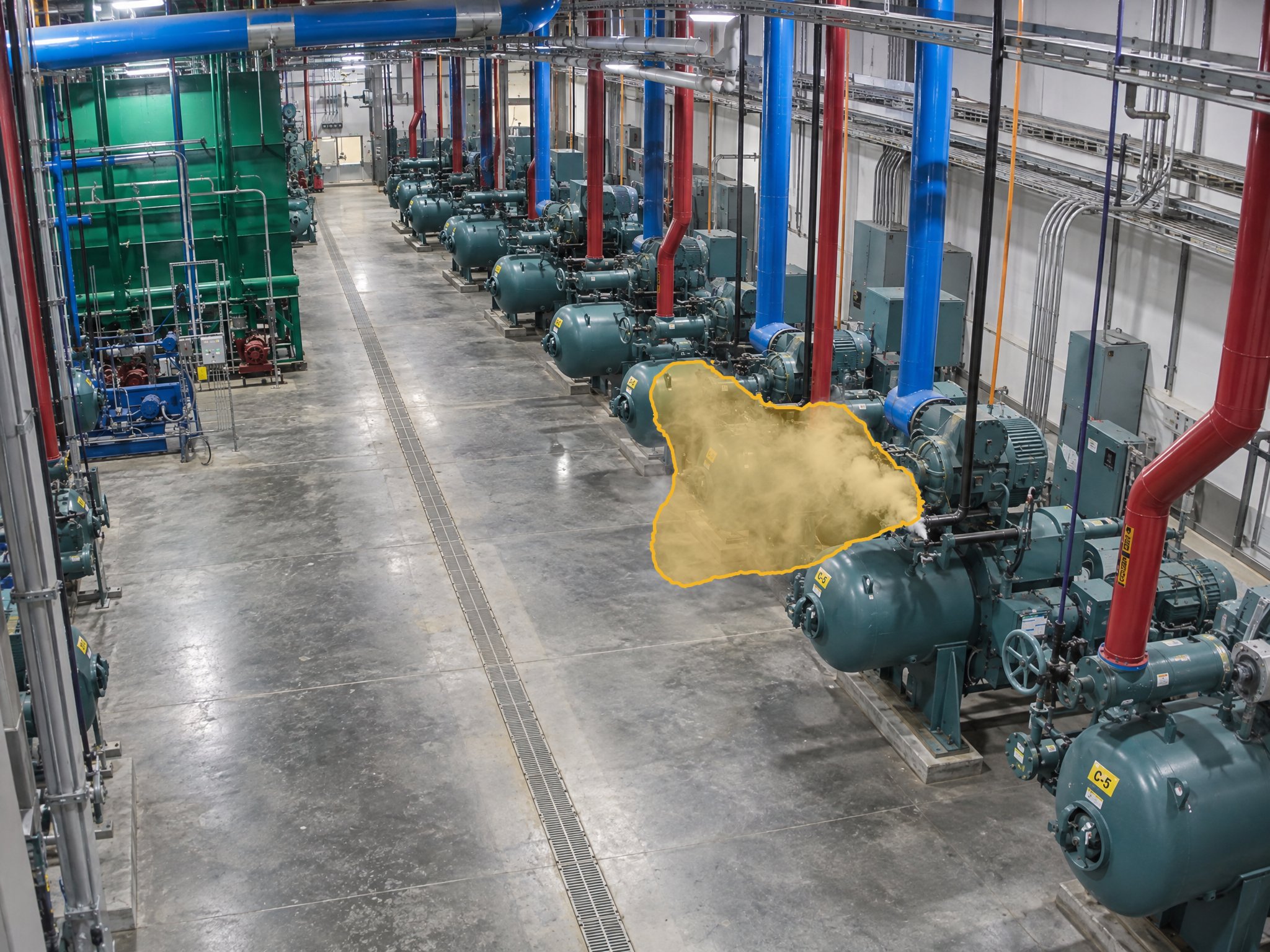
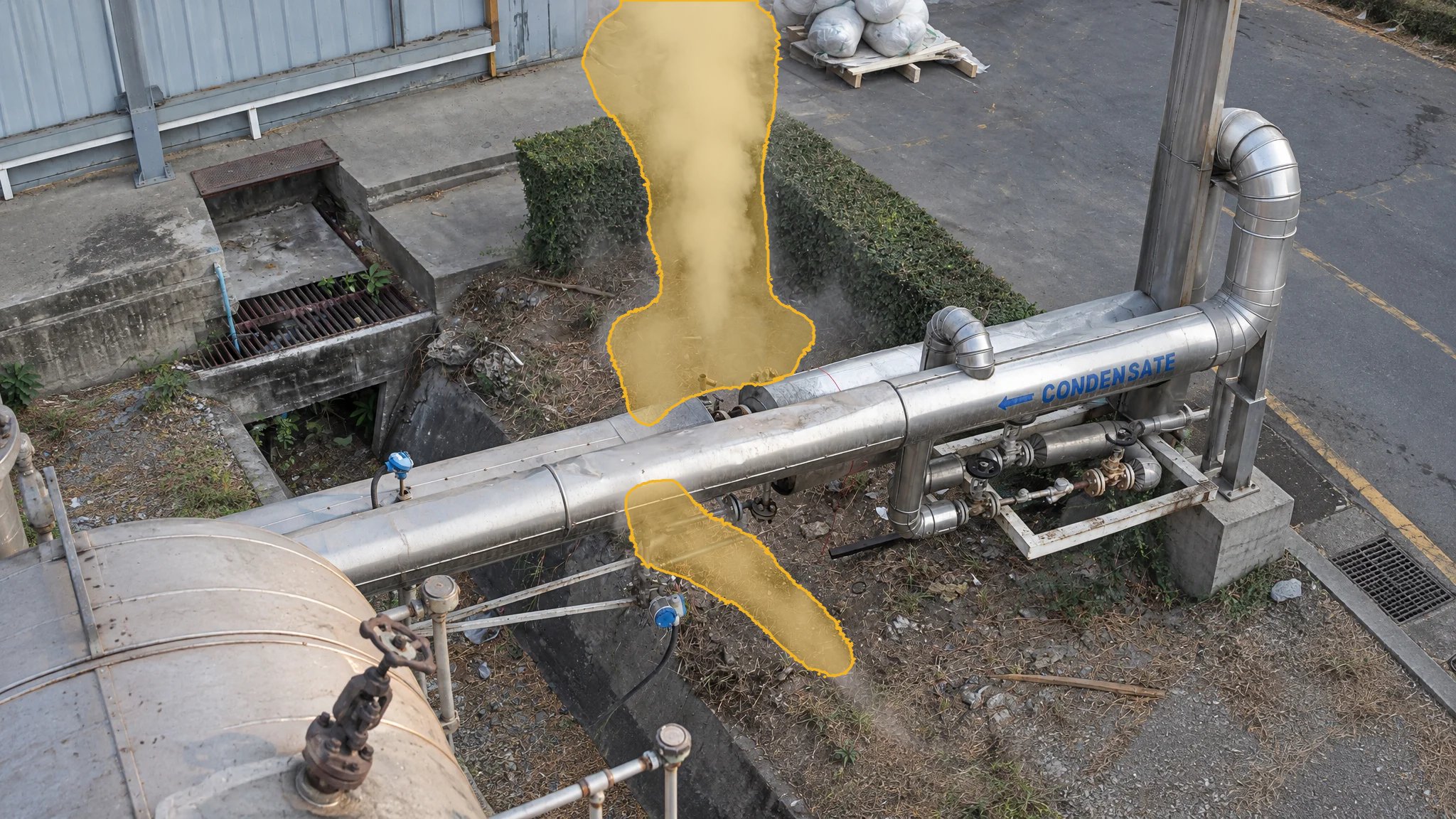
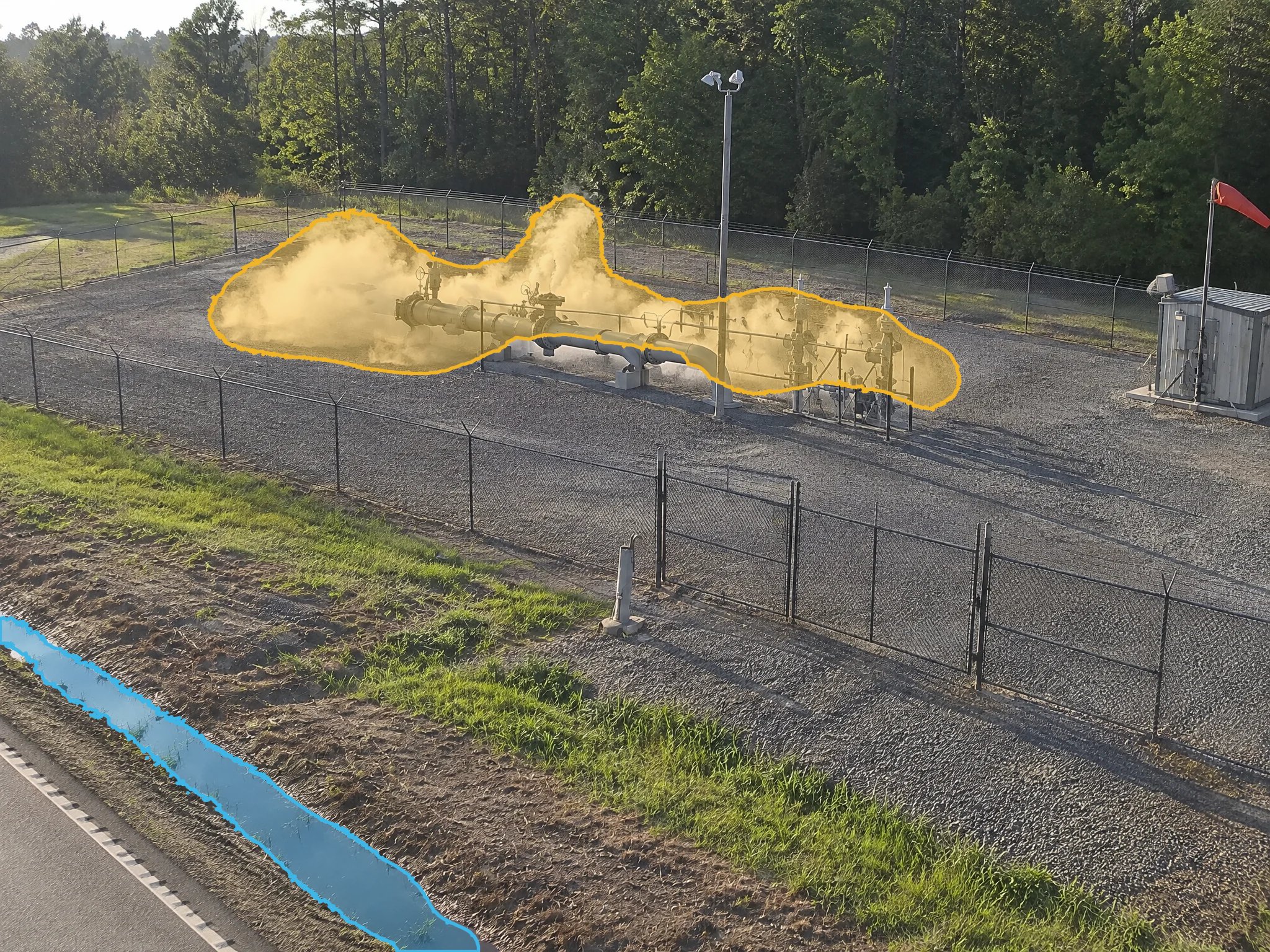
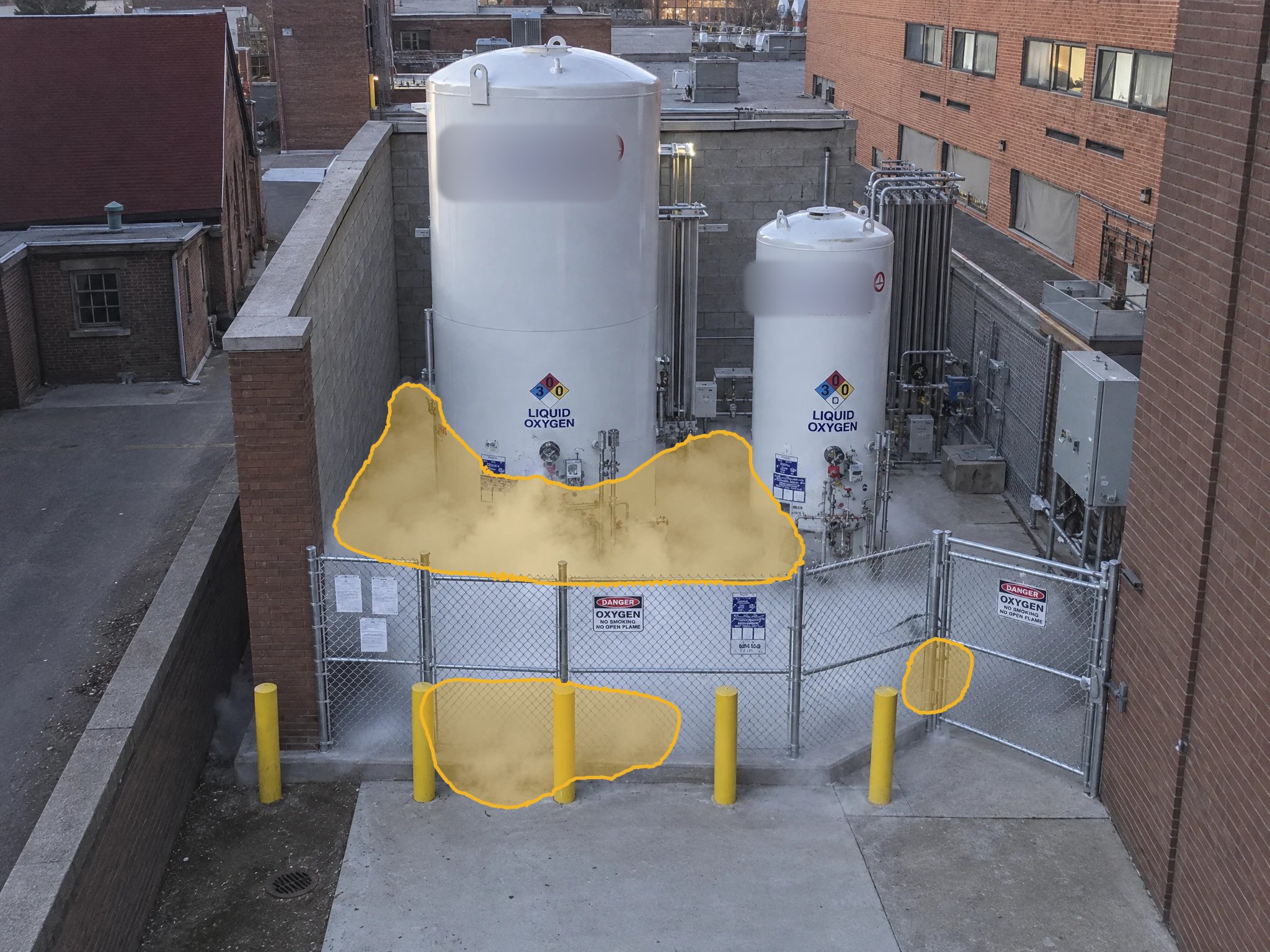
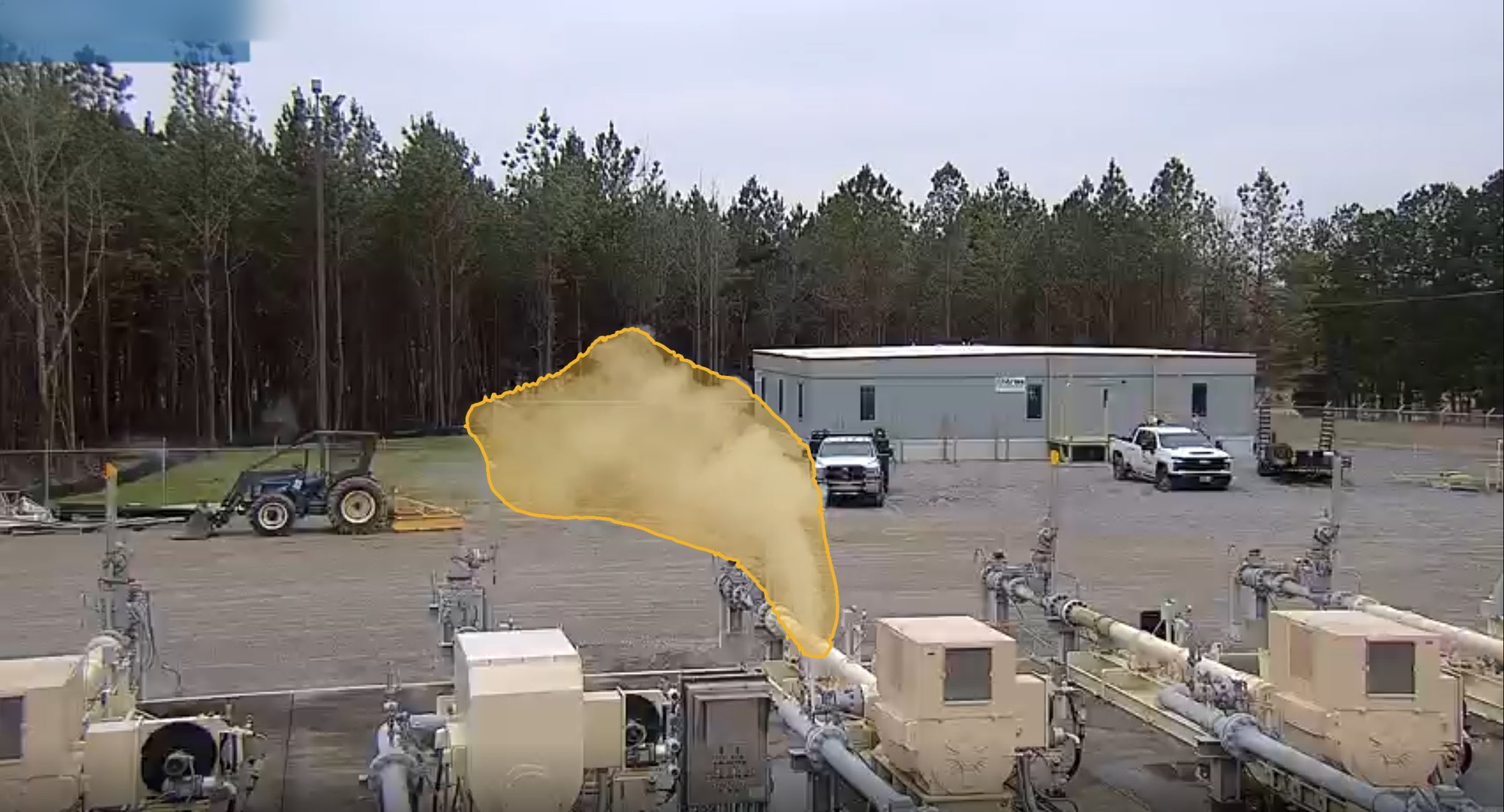
An early-warning layer for releases that form a plume your camera can see. V4 processes the image at the edge, keeping detection on the camera or on a server at your site.




Visible Vapor Performance Benchmark
Spray and Visible Vapor — Combined Benchmark
VisionAery V4 Liquid Leak Detection was trained on over 200,000 images.
Accuracy was evaluated with 9,147 previously unseen frames, without per site training.
Read the Benchmark Methodology- 98.1%
- Detection Rate
- 3.7%
- False Positive Rate
- 0.923
- F-score
Spray and visible vapor were evaluated together; these are not separate measurements for either type. Detection and false positive rates are frame-level results, not alarm rates or performance guarantees. F-score is the pixel-level harmonic mean of precision and recall. Scenarios outside those tested are not covered by these figures.
Detection Across Industries
Visible Vapor Customer Use Cases
Monitor for visible vapor day and night, using artificial lighting or the camera’s near-infrared (NIR) illumination after dark.
Industrial & Commercial